
Every year, millions of pets go missing. Many end up in shelters confused and frightened, and tragically, many are never reunited with their families. A microchip is permanent identification that dramatically increases the chances of reunion. This tiny device—smaller than a grain of rice—could be the difference between losing your pet forever and getting them back.
What Is a Microchip?
A microchip is a small electronic device about the size of a grain of rice. It’s implanted under your pet’s skin (usually between the shoulder blades) during a quick procedure. The chip contains a unique ID number linked to your contact information in a database. Shelters and veterinarians scan for microchips when lost pets arrive.
Why Collars and Tags Aren’t Enough
Collars and ID tags are great, but they have limitations:
– They can break, fall off, or become worn and unreadable
– They can be removed by someone who finds your pet
– They don’t prove ownership
A microchip never gets lost, never falls off, and is permanent proof that your pet is yours.
How Microchipping Helps Reunite Lost Pets
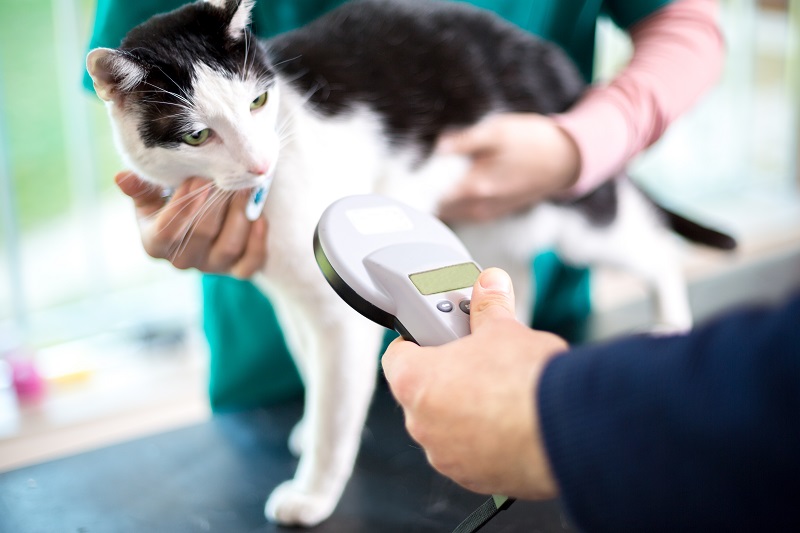
When a lost pet is brought to a shelter or veterinary clinic, staff scan for a microchip. If found, they look up the chip number in a database and contact you immediately. This is how tens of thousands of lost pets are reunited with families every year.
Without a microchip, shelters can only hope someone recognizes your pet from a lost pet poster or social media post. With a microchip, reunion happens within hours.
The Microchipping Process
Microchipping is quick and simple:
1. We scan to ensure your pet doesn’t already have a chip
2. We implant the microchip with a small injection (similar to a vaccine)
3. We register the chip with your contact information in a database
4. Your pet has permanent, lifetime identification
The entire process takes minutes and causes minimal discomfort.
Registering and Maintaining Your Pet’s Microchip
Implanting the chip is only half the process. Registration is crucial:
– Make sure your contact information is registered with the microchip company
– Update your information if you move or change phone numbers
– Check periodically to ensure your registration is current
Many pets are never reunited because their microchip was never registered or information was outdated. Don’t let this be your pet.
Microchip Myths Debunked
Myth: “Microchips track my pet like GPS.”
False. Microchips don’t transmit location. They’re scanned by a device within a few inches, and the chip ID is looked up in a database. GPS tracking requires a different collar-based device.
Myth: “Microchipping causes health problems.”
False. Microchips are biocompatible and safe. Millions have been implanted without complications.
Myth: “My pet doesn’t need a microchip if they never go outside.”
Accidents happen. Indoor pets escape. Microchipping provides protection just in case.
Beyond Microchipping: Preparing for Loss
Along with microchipping:
– Keep current photos of your pet
– Post lost pet alerts on social media immediately if lost
– Check shelters daily
– Contact local veterinary offices
– Provide microchip information to friends and neighbors
The first hours after a pet goes missing are critical. Microchipping gives you the best chance of quick reunion.
Schedule Your Pet’s Microchipping Appointment
If your pet isn’t microchipped, the time to act is now. It’s one of the best investments you can make for your pet’s safety. We can implant and register your pet’s microchip during a brief appointment.
Request an Appointment